
One-Act Plays
Naz
Mystery by Sharon Dunn

23 pages
4 m, 3 w
Investigator Keith Schwartz has been sent to look into the alleged suicide of Mr. Nazareth, a patient at the Fallen Oaks Correctional Facility for the Criminally Insane. But there are complications: The body has disappeared from the morgue, staff and patients are hiding something, and even the head psychiatrist seems reluctant to talk. Schwartz interviews the patients to discover what really happened that night. This one-act, single set drama is both a whodunit mystery and a retelling of the gospel for a modern audience.
Take a Chance
Drama by Chris Richman

17 pages
1 m, 1 w, 1 flexible
As the play opens Rosie, riding a stick horse, and Oliver, pushing a wheelbarrow, are walking around a square stage. The fact that they are in the game of Monopoly should slowly manifest itself in various funny ways, but what starts as a cute comedy turns into an existential quest for self-meaning. Oliver, the idealistic one, believes that there must be a life beyond his own mundane existence. Rosie, the cautious one, is addicted to "passing go" and is afraid to leave the familiar. Their love is evident, and yet part of the conflict. Through the course of the...
What Part Will I Play?
Drama by Mary Hall Surface

43 pages
13 females (also two offstage voices, 1 m, 1 f)
This play gives a voice to young women's hopes and dreams, fears and failures, fantasies and hard-knocks. The girls arrive at a theatre to audition for a promising new play. Each girl has come with her own ambitions, even secrets. But upon arrival, the girls learn that the director will be late. The stage manager takes them through a series of improvisations. But the girls, confused and anxious, are soon left to "wait." Each one must decide how she will respond to the situation and to each another. As the play progresses barriers are broken down, friendships ...
Running Upstream
Drama by Bryan McCampbell

32 pages
3 m, 3 w
"All you have to do is look in his eyes and you can see the wheels turning a million miles a minute. Problem is, not too many people take the time to look for his eyes, past his arms and legs. Sometimes, even me." These are Danny Osgood's thoughts concerning his brother, David,who is entering mainstream high school despite his physical handicaps. When Danny is mistakenly given the credit for David's poetry, friends and family are forced to realize that they, too, need to look past the handicap to the young man within. A poignant, powerful award-winning play.
An Ode to Juliette
Drama by Emilio Regina
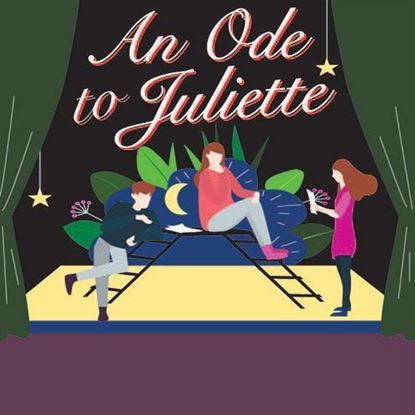
46 pages
21 characters; 10 m, 11 f, extras, doubling possible
A high school drama teacher directs her students in rehearsing a version of Romeo and Juliet. A creative writing teacher encourages her students to compose poems that reflect their personal lives. And a man, the narrator, weaves these school experiences –and his own– into a play he has written. The result is a beautiful mosaic of the familiar lives of students and culture inherent in high schools. The play deals with tragedy, bullying, sexuality, grieving, and perseverance with vital sensitivity. A mix of ...
Flamboyant Man in the Rain
Drama by Richard T. Young

20 pages
2 m, 2 w
A cartoon show writer who is getting bad reviews and an about-to-be-fired hair dresser land in the same taxi cab in the middle of a rain storm. After initial-humorous-hostilities toward each other they realize their plights may have much in common. About 30 minutes.
Life Refrains
Drama by Renee Rebman

15 pages
2 m, 4 w
Ryan's drinking at the school dance leads to a fatal car accident, leaving his family and friends to deal with the aftermath. His sister, Megan, is flooded with anger and grief, lashing out at everyone. She places blame for Ryan's death on herself and others. Ryan's girlfriend, Pam, suggests counseling, an idea Megan's mom supports as a final bid to keep the family together. The powerful dialogue of this play rings true and sends a message not only about the dangers of drinking and driving, but about dealing with grief. An excellent play for contest use.
There's No Business Like Snow Business
Comedy by Claudia Haas

21 pages
14 w
Is it possible to perform a Shakespeare scenefest without male actors, costumes, or scenery? A blizzard has stranded the guys who went to pick up everything for the evening's performance. So now the gals are faced with performing alone on a bare stage. At first nobody thinks they can do it. With such different personalities, from the practical director to the spoiled daddy's girl, to the airhead and valley girl, it seems like too many egos clash. But even so, the drama students pull together to prove that the show must go on! A delightful play with such evenl...
Echoes From the Titanic
Drama by Pat Cook

35 pages
15 m, 7 w, extras, much doubling possible
The survivors of the Titanic disaster tell you in their own words about their escape to lifeboats in this adaptation of the 1912 Senate hearings, which began just one day after they arrived from their fateful trip. "We have nothing to conceal," proclaims White Star Lines President Bruce Ismay, but then has to explain why he was able to get in a lifeboat. Hear Fifth Officer Lowe's report why some lifeboats were not completely filled when they departed and why he fired a pistol to control the crowds. As parts of their testimony are re-enacted, we begin to see t...